Arizona gets a Head Start
Under the bright Southwestern sun, Arizona vineyards get a jump on the competition. While Napa and Sonoma are just starting to see their grapes change color, Arizona is picking its first grapes. When we utilized consultants from California decades ago, they were always playing catch up when it came to our climate. Most people picture harvest in September or October, but not here.We are starting to pick in late July, for ourselves and our clients on our vineyard, and for our neighbors using our mechanical harvester. This is weeks or even months earlier than well-known wine regions of the Northern Hemisphere.
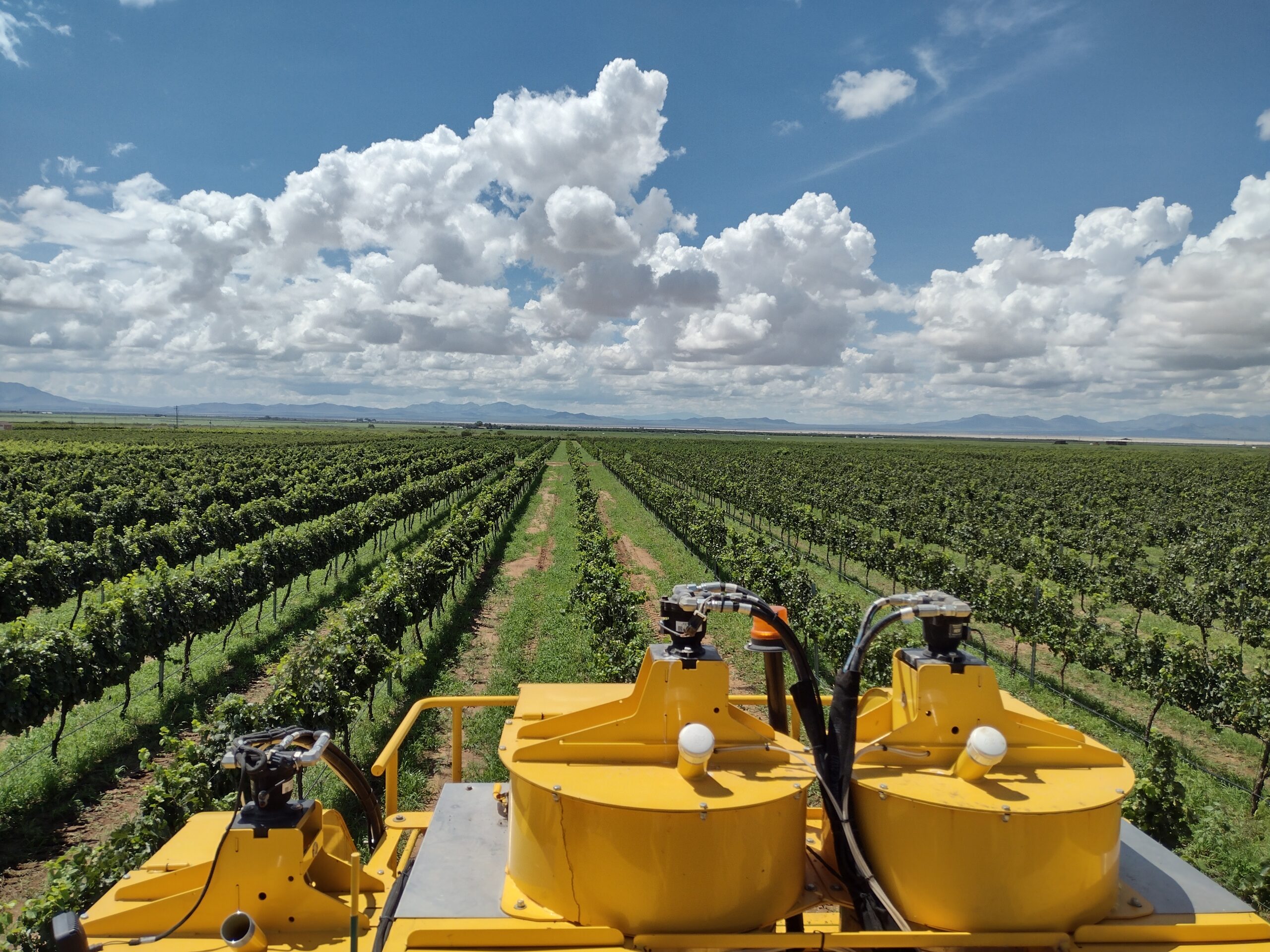
Harvest is not a Date on a Calendar
The answer lies in our wine region’s unique combination of abundant sunshine, high elevation, cool nights, and practiced vineyard management. We do not tell the vines when to harvest, they tell us. It is a bit of art and science and being present in the vineyard. It is not as simple as just deciding to pick grapes. As our Wine Society members can tell you after attending a harvest field day.
Harvest is the completion of years’ worth of work that started at the end of the prior year’s harvest. We often confuse people by referring to last year and next year around the harvest and not the calendar. In a way this is our new year. All the experiments and tweaks and changes in watering, pruning and fertilization give their results, and that data helps us plan next year.
For instance, at Carlson Creek we installed a new well almost two years ago. This allows us to have better control of watering in the off season building up the water profile in our soil. That in turn helped vegetative growth give our vine more of a platform to increase yield, and that is just what it did. Or when we acted as a test vineyard for new organic herbicides. Spoiler alert we did not end up using them again.
It is all about the Numbers
Previous year data also tells us how the vines ripen in given climatic conditions. This aids our team in the important decisions of setting a target for sugars and acids. Which is also based on what kind of wine we want to make. Fermentation turns the sugar into alcohol. The more sugar the grape gives us, the higher the alcohol percentage. Acids determine structure and how refreshing wine is when drunk. The skins are where all the color in wine resides. Should we want to make a Rosé, we will want a lower sugar content in the grape and a higher acid level. Also, we do not want the red grapes to have too much color. All the factors point to harvesting early in the season.
As the fruit ripens the sugar levels rise as the vines get the ever-present Arizona sun. This also deepens the color of the grape skins. Reds grapes get darker, and white ones become yellow. But with the heat, the acids break down and their level decreases. We have a goal and the grapes will move right past it if we do not keep a vigilant watch
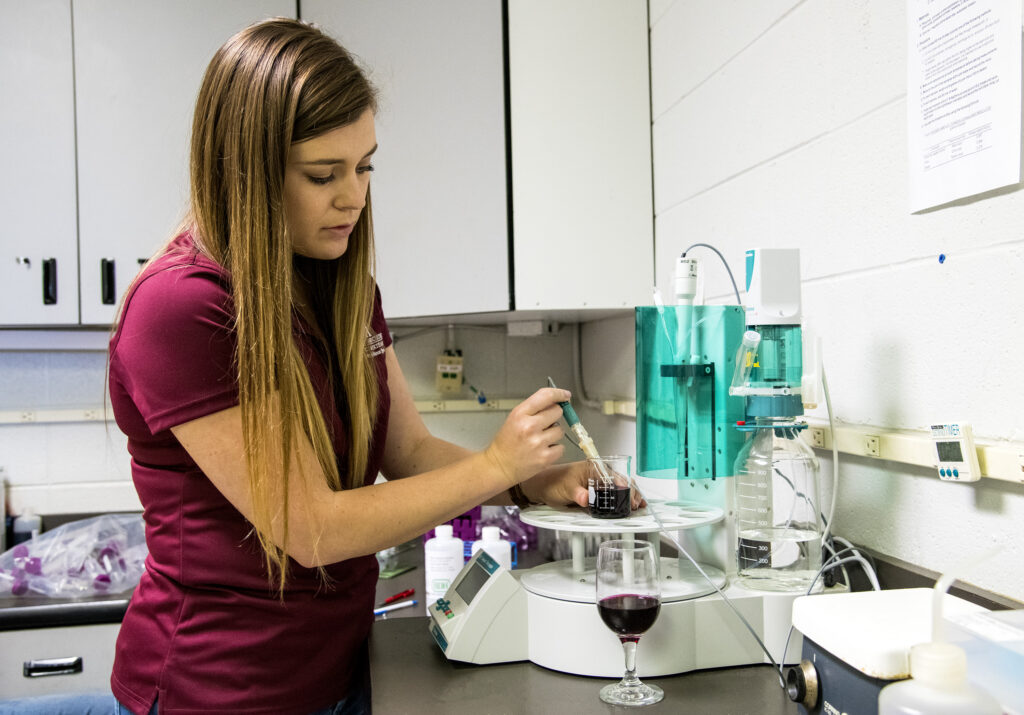
In fact, many of our staff from Scottsdale move to Willcox during the summer to work on the harvest to do just that. We need them because we sample the grapes for lab testing every other day, and should a block be getting close, every day. Just gathering a representative sample can take half a day since the vineyard is so large.
If we miss the mark our Rosé will not be refreshing (too low of acid), be too dark (skins are too ripe), or unbalanced (too much sugar means too much alcohol). We can try and adjust these things in the winery. But it is always better to start with great fruit. There is a saying we hold to, “You can make bad wine from great grapes, but you cannot make great wine from bad grapes.”
Wake up to the Sunshine
Grapes love the sunshine. In fact, wine grapes as we know originated in the Middle East around 8,000 years ago. They have spent that time soaking up the sun, and the amount of sun they get determines how they grow. If you compare Willcox to Champagne, you will find a stark difference outside our lack of Chateaus. The Champagne region gets about one hundred sunny days during the growing season, which is almost half what Willcox gets. All that solar energy super charges the grapes.
Warm days are key. If it is too hot, the vines shut down. Over 90 degrees Fahrenheit, 32 degrees Celsius, the vine goes into preservation mode. It stops ripening the fruit and focuses on itself1. Its photosynthesis reduces and slows sugar accumulation. The hotter it gets the slower the grapes ripen until they stop getting water from the vine because it is conserving it for itself. Then the grapes themselves begin to dehydrate which can spike the sugar levels
The aforementioned solar energy allows our vines to grow large canopies that protect the grapes from the sun. Which can drop the temperature under the leaves and can cool the grapes by several degrees2. But it can also prevent airflow which is also beneficial for cooling. We take time to thin the leaves out for certain varieties such as Grenache to increase airflow. On top all this has more surface area to take in sunshine and efficiently fuel grape growth.
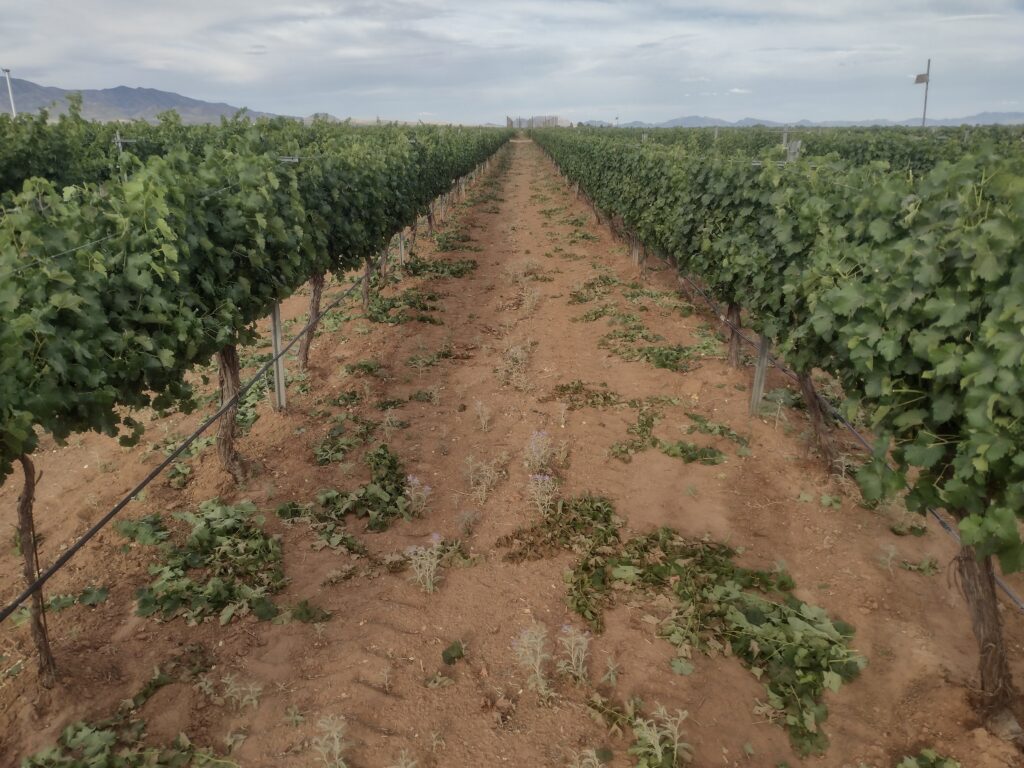
It also gives them the ability to breathe better. Yes, plants breathe. The stomates are little openings underneath the leaves that tend to open at night when it is cool. They take in CO2 and expel O2. The trick is they do not open in the heat because it will cause water loss. This is where the high elevation comes in handy. Since our vineyards are so high up (4,300 feet) it is cooler. The nights are even cooler than you would expect. Who would have heard of wearing a jacket in Arizona in August?
This substantial change in temperature is called a diurnal swing. Warm to hot days turn into cool nights. This is the gift of high elevation. Cool nights help preserve acidity, and give the grapevines a rest. The elevation also helps give more color to grapes since we have higher UV radiation. The vines seek to protect the grapes by increasing the color. It is like how some people get a tan.
Grapes are not all picked at once
While all this is going on the grapes are accumulating sugar. For every percentage of sugar, you get half that in alcohol. Early in the season you would make low alcohol wines and at the end of the season you would have high alcohol wines.
Whites tend to ripen first on the vineyard, with Sauvignon Blanc leading the way. By harvesting it early we can preserve the acidity and the Sauvignon Blanc character. As the season warms up the Sauvignon Blanc grapes will lose the grassy herbaceous notes that make the grape so unique. New Zealand wines are the best example of these aromas and scents.
Towards the end of the season you get into your steak house wines. When making a big Cabernet Sauvignon or Malbec the common refrain on the crush pad is, let it hang. Meaning do not pick it yet. We want more sugar and more color in the skin, to get a dark powerful wine.
Arizona’s early start can be a difficulty and a benefit.Though it is hotter when we harvest, we do not have a problem ripening our fruit. There have been years in Champagne when there was not enough sunlight to produce sufficient sugar to make wine. The vintners needed to chapulatize, add sugar to the fermentation, to get enough alcohol. Those are not considered good vintage.
It does have one perk that is not often spoken of. By harvesting early, our wines are finished and ready for aging sooner in the year. That means Arizona winemakers get to go on vacation sooner than the Californians. And who doesn’t like getting a head start?
Cheers,
The Carlson Creek Team
Leave a Reply